
About Our Institution
Explore the history, founder, vision and educational purpose of Bankipur Madrasah Darul Uloom Iliyasia.
History & background
Institutional profileOur History & Background
Bankipur Madrasah Darul Uloom Iliyasia was established in 1970 in South 24 Parganas, West Bengal, under the visionary leadership and tireless dedication of Founder Hazrat Maulana Abdul Khabir Kashifi. Over more than five decades, the institution has flourished into a beacon of traditional Islamic scholarship, Quranic memorization (Hifz), and moral guidance, producing dedicated scholars and responsible citizens serving society worldwide.
- Established
- 1970
- Students
- 700+
- Dedicated Faculty & Staff
- 40+
- Years of service
- 56+
A beginning rooted in the community
The history of Bankipur Madrasah Darul Uloom Iliyasia begins in 1970, in Bankipur, South 24 Parganas, West Bengal. Its founder, Hazrat Maulana Abdul Khabir Kashifi, placed religious learning at the centre of the institution. The place, the founder and the founding year are more than a brief introduction: together they describe a commitment to making Quranic learning a lasting part of the community’s educational life. The madrasah’s story is best understood through that continuing relationship between a teacher, a student, a family and the wider community.
The learning at the heart of the institution
Quran reading, memorisation and the study of religious texts form the foundation of the madrasah’s educational identity. These areas represent different stages of learning. A beginner needs careful attention to reading and pronunciation; a student of memorisation needs regular revision; a student reading Arabic and religious texts needs guidance in understanding what is being studied. The department pages explain these areas separately so that a family can explore the learning path most relevant to its child rather than rely on a single general description.
An academic tradition carried into daily study
The institution describes its academic tradition in relation to Darul Uloom Deoband. That tradition connects the study of the Quran, Sunnah and Arabic texts with respect for teachers and responsibility in learning. For a reader exploring the history, the important point is the connection between a stated educational identity and the everyday work of study. A curriculum becomes meaningful through reading, questions, explanation and revision. Information about the current syllabus, class arrangements and examinations should therefore be read alongside the academic departments and the office’s published notices.
Education and the formation of character
An account of the madrasah would be incomplete if it spoke only about books and examinations. Its stated purpose also includes moral education: learning to speak truthfully, respect others, use time responsibly and approach knowledge with humility. These values give context to the institution’s history because they explain what its education seeks to achieve beyond the completion of a course. The vision, mission and educational philosophy tabs discuss these aims in greater detail, while keeping the historical introduction focused on the institution’s background.
Reading the history through the campus
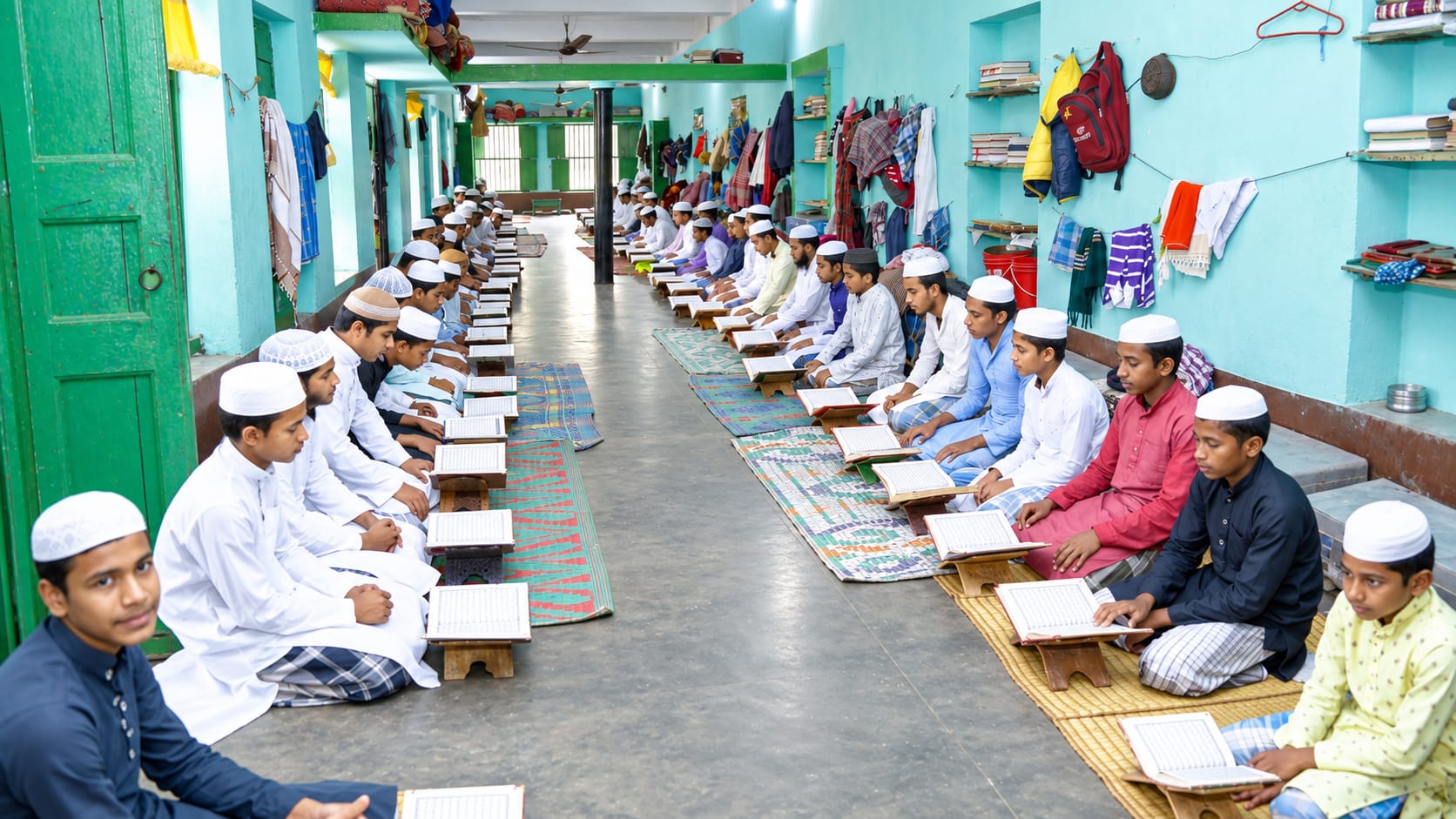
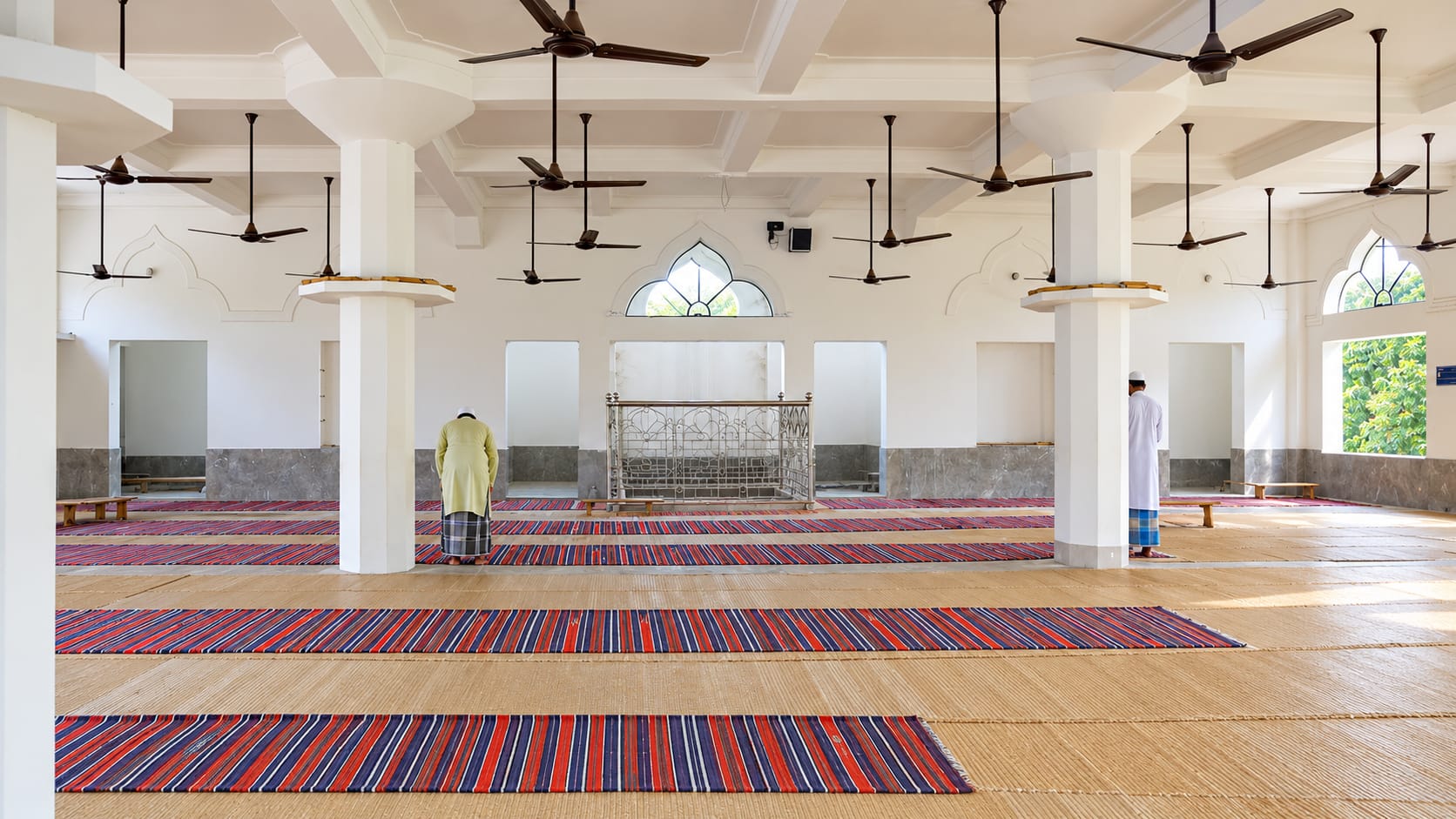
The institution’s own photographs offer another way to understand its setting. Classrooms, the prayer space, campus buildings and the working environment of teachers show the places associated with its educational life. These spaces bring together different parts of the day: reading and revision, prayer and time spent with teachers and fellow students. The gallery complements the written history with views of that setting and descriptions of the places shown. Families who wish to see the campus can contact the office before a visit.
A continuing story, with a clear record
The founding year remains the starting point of the madrasah’s story; its present life is described through the departments, leadership information, notices and institutional records. These sources serve different purposes. History explains the background, notices communicate current announcements, and certificates provide the documents that the office makes available. Keeping them distinct helps families and well-wishers find the right information. The milestones tab brings together the published stages of the institution’s journey, and the registration tab directs readers to its public information portal.